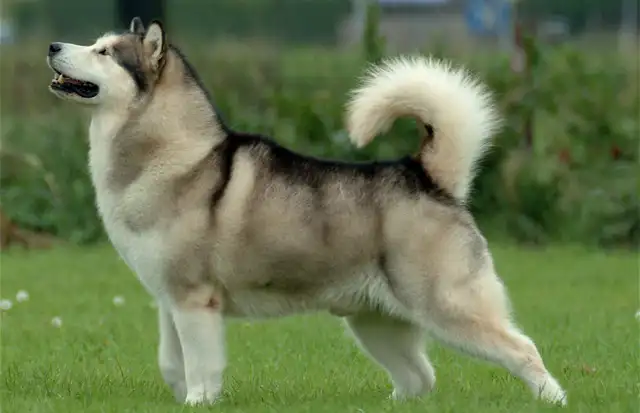


The Japanese Akita is a large and powerful dog with a noble and imposing presence. They have a sturdy and well-proportioned build, characterized by a broad head, small, triangular eyes that convey a keen and alert expression, and erect ears that are set high on the head. Their muzzle is deep, and their jaws are strong, emphasizing their strength.

Their double coat is thick and plush, designed to protect them from harsh weather conditions. The outer coat is straight and harsh to the touch, while the undercoat is soft and dense. Common colors include white, brindle, and various shades of red, often with urajiro markings, which are white markings on the cheeks, chest, and tail.
Japanese Akitas have a curled tail that arches over their back, adding to their distinctive silhouette. Their overall appearance is one of power and elegance, reflecting their heritage as noble and loyal companions.
Other Names
The Japanese Akita, also known simply as the Akita or Akita Inu, is referred to as “Akita-ken” in Japan. This distinguishes it from the American Akita, a related but distinct breed.
Pronunciation
The breed name “Akita” is pronounced as ah-KEE-tah, with emphasis on the second syllable. “Inu” (meaning “dog” in Japanese) is pronounced EE-noo.
Temperament
Japanese Akitas are known for their dignified and reserved nature. They are often described as loyal, courageous, and aloof. Unlike some breeds, they are not overly affectionate with strangers but form strong, deep bonds with their family members. This loyalty and protectiveness make them excellent guard dogs.
They are intelligent and independent, sometimes exhibiting a stubborn streak. Training should be consistent and firm yet positive, as harsh methods can lead to mistrust. Early socialization is crucial to ensure they grow up to be well-rounded dogs. Despite their independent nature, they are incredibly loyal and thrive on companionship, often following their owners from room to room.
Akitas are also known for their clean habits, often compared to cats in their grooming and cleanliness. They are relatively quiet, barking only when necessary, which adds to their appeal as a composed and dignified breed.
Height, Weight
Male Japanese Akitas typically stand between 26 to 28 inches (66 to 71 cm) at the shoulder and weigh between 100 to 130 pounds (45 to 59 kg). Females are slightly smaller, standing 24 to 26 inches (61 to 66 cm) tall and weighing 70 to 100 pounds (32 to 45 kg).
Health Problems
Japanese Akitas are generally healthy, but like all breeds, they are prone to certain health conditions. These can include hip dysplasia, hypothyroidism, and autoimmune diseases such as VKH (Vogt-Koyanagi-Harada) syndrome and SA (Sebaceous Adenitis). Regular veterinary check-ups and a healthy diet are essential to maintain their well-being.
Living Conditions
Akitas can adapt to various living conditions but thrive in environments where they have space to move and play. They can live in apartments if sufficiently exercised but prefer homes with a fenced yard. They are not suited for kennel living and need to be part of the family.
Exercise
Akitas are moderately active dogs and require regular exercise to keep them healthy and happy. Daily walks, combined with playtime and mental stimulation, are essential. They enjoy activities like jogging, hiking, and interactive games, which help prevent boredom and destructive behaviors.
Life Expectancy
Japanese Akitas typically live between 10 to 15 years. With proper care, nutrition, and regular veterinary visits, many Akitas enjoy long, healthy lives.
Litter Size
The average litter size for Japanese Akitas is between 3 to 7 puppies. Litter sizes can vary based on the individual dog’s genetics and health.
Grooming
Akitas have a thick double coat that requires regular grooming. They shed moderately year-round and heavily twice a year during seasonal changes. Weekly brushing helps remove loose fur and keep the coat healthy. During shedding seasons, more frequent brushing is needed. Bathing should be done as necessary, and their nails should be trimmed regularly.
Origin
The Japanese Akita’s origin dates back to the early 17th century in the mountainous regions of northern Japan, specifically the Akita Prefecture. Originally bred for hunting large game such as bears, boars, and deer, these dogs were valued for their strength, endurance, and fearlessness. They also played roles as guard dogs and were symbols of status and loyalty among the Japanese nobility.
During the early 20th century, the breed faced decline due to crossbreeding with other dogs and the impact of World War II. Efforts were made post-war to restore the breed to its original form, leading to the preservation of the purebred Japanese Akita. Today, they are considered a national treasure in Japan and hold a cultural significance, often seen as symbols of health, happiness, and longevity.
Group
The Japanese Akita belongs to the Working Group according to the American Kennel Club (AKC). In Japan, they are classified under the Spitz and Primitive types by the Japan Kennel Club (JKC).
Recognition
The Japanese Akita is recognized by major kennel clubs around the world, including the American Kennel Club (AKC), the Japan Kennel Club (JKC), the United Kennel Club (UKC), and the Fédération Cynologique Internationale (FCI). These organizations uphold breed standards and promote the welfare and preservation of the breed.