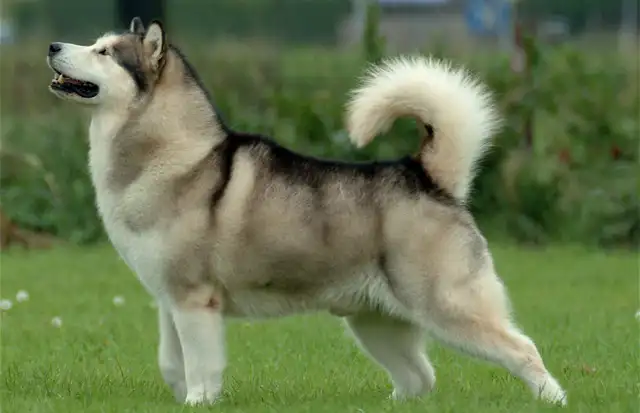


Foxhounds are medium to large-sized dogs known for their athletic build and endurance. They possess a strong, muscular body that allows them to perform demanding physical activities, particularly hunting. Their coats are short and dense, providing some protection against harsh weather conditions. Common coat colors include combinations of black, white, and tan, though some Foxhounds may have more varied markings.

The head of a Foxhound is typically broad with a slightly domed skull. Their ears are long and droopy, set low on the head, which enhances their keen sense of smell. They have large, expressive eyes that exude a friendly and intelligent demeanor. The tail is usually carried high but not curled over the back, adding to its alert and active appearance.
Other Names
The Foxhound is known by several names, including the English Foxhound and the American Foxhound. These variations reflect the breed’s geographical adaptations and slight differences in characteristics and purposes.
Pronunciation
Foxhound is pronounced as “FOKS-hound.”
Temperament
Foxhounds are renowned for their friendly, sociable, and outgoing nature. They are pack animals by instinct, which makes them excellent companions for other dogs and even humans. Their temperament is generally even-keeled, making them reliable and steady pets.
Despite their hunting background, Foxhounds are gentle and affectionate with their families. They are known to be good with children, displaying patience and playfulness. However, their independent streak can sometimes manifest as stubbornness, especially during training. This independence, coupled with their high energy levels, means that they require consistent, positive reinforcement training and ample physical activity.
Foxhounds are also known for their vocal nature. They have a distinctive baying bark that they use to communicate, which can be a charming trait for some owners but may require management in residential areas.
Height, Weight
The average height for a Foxhound ranges from 21 to 25 inches at the shoulder. Their weight typically falls between 60 to 75 pounds, with males generally being larger and heavier than females.
Health Problems
Foxhounds are generally healthy dogs, but like all breeds, they are prone to specific health issues. Some of the common health problems that can affect Foxhounds include hip dysplasia, ear infections, and certain heart conditions. Regular veterinary check-ups and a healthy diet can help mitigate these issues.
Living Conditions
Foxhounds are adaptable dogs but thrive best in environments where they have plenty of space to roam and explore. They are not well-suited for apartment living due to their high energy levels and need for regular exercise. A home with a large yard or access to open spaces is ideal. They are social animals and do best when they have companionship, whether from other dogs or their human family.
Exercise
Foxhounds require a significant amount of exercise to keep them physically and mentally stimulated. Daily walks, runs, and play sessions are essential to prevent boredom and destructive behavior. Engaging them in activities that utilize their hunting and tracking instincts, such as scent trails and agility training, can be particularly beneficial.
Life Expectancy
The average life expectancy of a Foxhound is between 10 to 13 years. With proper care, regular exercise, and a balanced diet, they can enjoy a healthy and active life well into their senior years.
Litter Size
The typical litter size for a Foxhound ranges from 5 to 7 puppies. Litter sizes can vary based on the health and age of the mother, as well as breeding practices.
Grooming
Foxhounds have relatively low grooming needs due to their short, dense coats. Regular brushing, about once a week, will help keep their coat healthy and reduce shedding. It’s also important to check their ears regularly for signs of infection, especially since their droopy ears can trap moisture and debris. Regular dental care and nail trimming are also essential parts of their grooming routine.
Origin
The Foxhound has a rich history that dates back several centuries. The breed originated in England, where it was developed specifically for the purpose of hunting foxes. English Foxhounds were bred by crossing various hound breeds, including Greyhounds for speed, Bloodhounds for scenting ability, and some Terriers for tenacity. This careful breeding process aimed to create a dog that could keep up with the hunt, cover long distances, and track scents with exceptional accuracy.
The American Foxhound, a variation of the breed, was developed in the United States by crossing the English Foxhound with other hounds to adapt to the different terrain and hunting styles in America. Notable figures in American history, including George Washington, played a role in the development and popularization of the American Foxhound.
Group
Foxhounds belong to the Hound Group, which is recognized by various kennel clubs around the world. This group includes breeds that were primarily developed for hunting by sight or scent.
Recognition
The Foxhound is recognized by major kennel clubs, including the American Kennel Club (AKC), the United Kennel Club (UKC), and the Kennel Club (KC) in the United Kingdom. Both the English and American Foxhounds are distinct breeds with their own standards and characteristics.