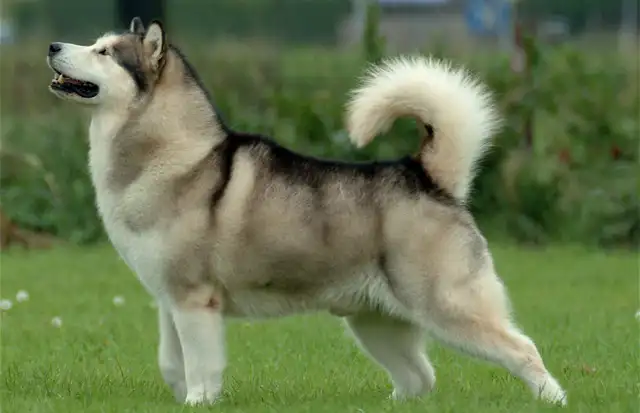


The Anatolian Shepherd Dog is a large, powerful breed that exudes strength and agility. It has a broad head, strong neck, and muscular body, making it an imposing figure. The coat is typically short to medium in length and can come in a variety of colors, including fawn, brindle, white, and pinto, often with a distinctive black mask. The breed’s thick double coat is well-suited to both hot and cold climates, protecting the elements.

Anatolian Shepherds have a deep chest and strong, straight legs, which contribute to their endurance and ability to cover rough terrain with ease. Their eyes are medium-sized and almond-shaped, typically dark brown or amber, giving them a keen and intelligent expression. The tail is long and curls upward when the dog is alert or excited.
Other Names
The Anatolian Shepherd Dog is also known by several other names, including Kangal, Coban Kopegi, and Karabash. These names often reflect the dog’s regional origins and specific roles within Turkish culture.
Pronunciation
The name “Anatolian Shepherd” is pronounced as “An-uh-toh-lee-uhn Shep-erd.”
Temperament
The Anatolian Shepherd Dog is known for its independent and protective nature. Bred to guard livestock, these dogs are naturally wary of strangers and highly territorial. They form strong bonds with their family and livestock, displaying unwavering loyalty and bravery. This breed is intelligent and can be somewhat stubborn, requiring consistent and firm training from an early age.
Despite their guardian instincts, Anatolian Shepherds are generally calm and gentle with their family members. They are good with children and can be affectionate with those they trust. However, their strong protective instincts mean they need early socialization to ensure they can distinguish between a genuine threat and normal interactions. Anatolian Shepherds are best suited for experienced dog owners who can provide the leadership and environment this breed needs to thrive.
Height, Weight
Anatolian Shepherd Dogs are large and sturdy animals. Males typically stand between 29 to 32 inches tall at the shoulder and weigh between 110 to 150 pounds. Females are slightly smaller, ranging from 27 to 31 inches in height and weighing between 80 to 120 pounds.
Health Problems
Anatolian Shepherds are generally healthy dogs but, like all breeds, they are prone to certain health issues. Common health problems include hip dysplasia, elbow dysplasia, and hypothyroidism. Regular check-ups with a veterinarian, a balanced diet, and maintaining an appropriate weight can help mitigate these health concerns.
Living Conditions
Anatolian Shepherds are adaptable but do best in homes with large, securely fenced yards where they can patrol and exercise freely. They are not well-suited to apartment living due to their size and need for space. This breed thrives in rural or suburban settings where they can perform their natural guarding duties.
Exercise
Anatolian Shepherds require a moderate amount of exercise to stay healthy and happy. Daily walks, combined with opportunities to run and play in a secure area, are essential. While they are not as high-energy as some breeds, they do need mental stimulation and physical activity to prevent boredom and destructive behavior.
Life Expectancy
The life expectancy of an Anatolian Shepherd Dog is typically between 11 to 13 years, which is relatively long for a large breed.
Litter Size
The average litter size for an Anatolian Shepherd Dog ranges from 5 to 10 puppies. Proper prenatal care and nutrition are important to ensure the health of both the mother and the puppies.
Grooming
Anatolian Shepherds have a double coat that sheds year-round, with heavier shedding occurring seasonally. Regular brushing, at least once a week, helps manage shedding and keeps the coat healthy. Bathing should be done as needed, but not too frequently, to avoid stripping the coat of its natural oils. Routine ear cleaning, teeth brushing, and nail trimming are also essential parts of their grooming regimen.
Origin
The Anatolian Shepherd Dog hails from Turkey, where it has been used for thousands of years as a livestock guardian. The breed’s origins can be traced back to ancient times, with ancestors likely including powerful mastiff-type dogs brought to the region by ancient travelers and traders. These dogs were bred for their ability to protect livestock from predators, including wolves and bears, in the harsh and varied terrain of Anatolia.
The harsh climate and challenging environment of the Anatolian plateau contributed to the development of a hardy and resilient breed. The Anatolian Shepherd’s primary role was to guard flocks of sheep and goats, working independently from human supervision. This long history of working in isolation and protecting livestock has deeply ingrained the breed’s independent and protective instincts.
Group
The Anatolian Shepherd Dog belongs to the working group. This group consists of breeds that have been developed to perform specific tasks, such as guarding property, pulling sleds, and performing water rescues.
Recognition
The Anatolian Shepherd Dog is recognized by several major kennel clubs and canine organizations worldwide. It is recognized by the American Kennel Club (AKC), United Kennel Club (UKC), and Fédération Cynologique Internationale (FCI), among others. The breed’s recognition reflects its unique qualities and importance as a working dog and companion.