

The Badri cow, native to the hilly regions of Uttarakhand, India, is a unique breed known for its adaptability and resilience. Also known as the “Pahari” cow, this indigenous breed is integral to the local agricultural economy and culture. The Badri cow is prized for its hardiness, ability to thrive in harsh climatic conditions and significant role in sustainable farming practices.

Physical Characteristics
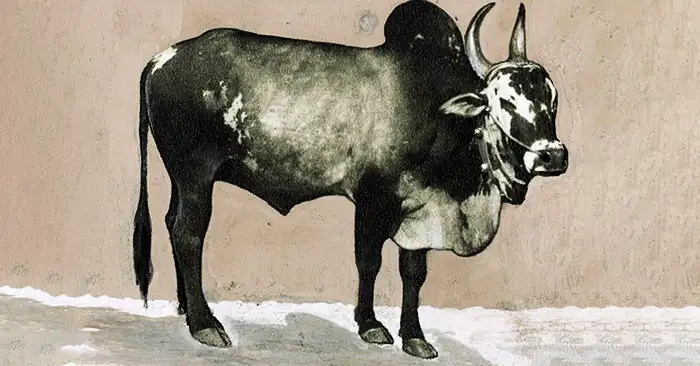
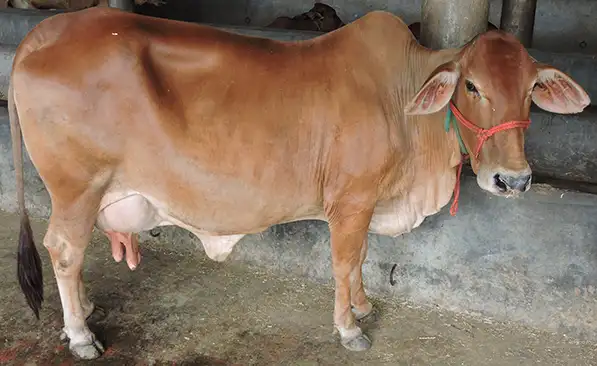
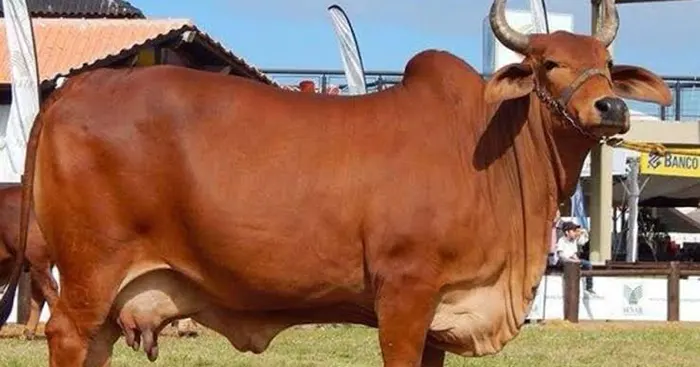
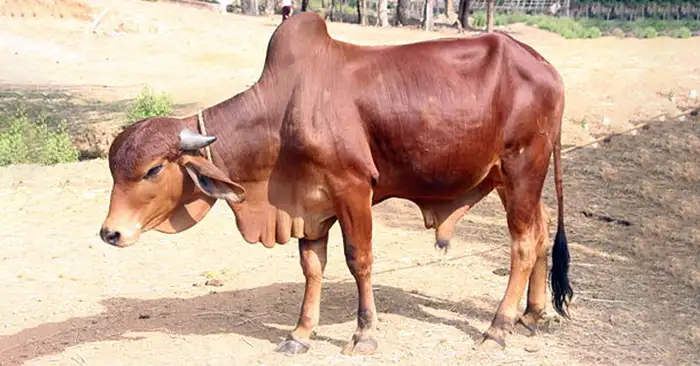
Badri cows are small to medium-sized with a compact and sturdy build, well-suited to the rugged terrains of Uttarakhand. They typically have a reddish-brown or light-brown coat, sometimes with white patches. The breed features a straight back, well-formed udder, and short, strong legs. Their horns are medium-sized, curving upwards and slightly outwards. These cows are known for their distinctive hump and dewlap, characteristic of many indigenous Indian breeds.
Behavior and Temperament
Badri cows are known for their docile and gentle temperament. They are easy to manage and handle, making them suitable for small-scale farmers and families. Their calm nature does not diminish their alertness, and they are known to be quite protective of their calves. These cows are intelligent and can easily adapt to various management practices.
Habitat and Climate Adaptability
One of the most remarkable features of the Badri cow is its adaptability to the harsh climatic conditions of the Uttarakhand hills. They are well-suited to cold temperatures and can also tolerate the heat. Their ability to graze on steep slopes and rough terrains makes them ideal for mountainous regions. They thrive in high altitudes and are well-adapted to the local flora, which forms a significant part of their diet.
Diet and Nutrition
Badri cows primarily graze on natural pastures found in the hilly regions. Their diet consists of various grasses, herbs, and shrubs available in the area. During the winter months, when grazing is limited, they are often fed crop residues, hay, and locally available fodder. Supplementing their diet with minerals and vitamins ensures they receive balanced nutrition, essential for their health and productivity.
Health and Lifespan
Badri cows are known for their robust health and resistance to common diseases. They are less prone to ailments compared to many other breeds, largely due to their genetic makeup and natural living conditions. With proper care and management, these cows can live up to 15-20 years. Regular veterinary check-ups, vaccinations, and deworming are crucial to maintaining their health and preventing diseases.
Productivity
While Badri cows are not known for high milk yield, the quality of their milk is exceptional. Their milk is rich in nutrients, particularly beta-carotene, which gives it a distinct yellowish hue. On average, a Badri cow can produce 2-4 liters of milk per day. In addition to milk, these cows are valued for their draught power, particularly in hilly agricultural operations.
Breeding and Calving
Breeding Badri cows is typically done through natural methods, although artificial insemination is gradually gaining acceptance. They have good fertility rates and calving is usually smooth with minimal complications. Heifers typically reach maturity at around 2.5 to 3 years of age. Proper nutrition and care during the gestation period are essential to ensure the birth of healthy calves.
Care and Management
Effective care and management of Badri cows involve providing adequate shelter, particularly during harsh weather conditions. Ensuring access to clean water and a balanced diet is crucial. Regular grooming helps maintain their coat and overall hygiene. Monitoring their health through regular veterinary visits, vaccinations, and deworming schedules is vital for preventing diseases and ensuring their longevity.
Significance and Uses
The Badri cow holds significant cultural and economic value in Uttarakhand. They play a crucial role in sustainable farming practices, contributing to soil fertility through manure. Their milk, though produced in moderate quantities, is highly valued for its quality and nutritional benefits. Badri cows are also used in traditional rituals and are considered auspicious by many local communities.
Conservation Status
Despite their importance, the Badri cow population is declining due to crossbreeding with exotic breeds and changes in agricultural practices. Conservation efforts are essential to preserve this indigenous breed. Various governmental and non-governmental organizations are working towards promoting the breeding and conservation of Badri cows. These efforts include establishing breeding centers, providing incentives to farmers, and raising awareness about the breed’s benefits and significance.
The Badri cow is an invaluable asset to the agricultural and cultural landscape of Uttarakhand. Preserving this breed ensures the continuation of sustainable farming practices and the protection of biodiversity in the region.