

The Amritmahal cow, one of Karnataka’s prized indigenous breeds, is known for its endurance, strength, and adaptability. Originating from the state of Karnataka, India, this breed has been integral to local agriculture and economy for centuries. The Amritmahal cow is not only revered for its historical significance but also for its robust physical characteristics and utility in agricultural operations.
Physical Characteristics

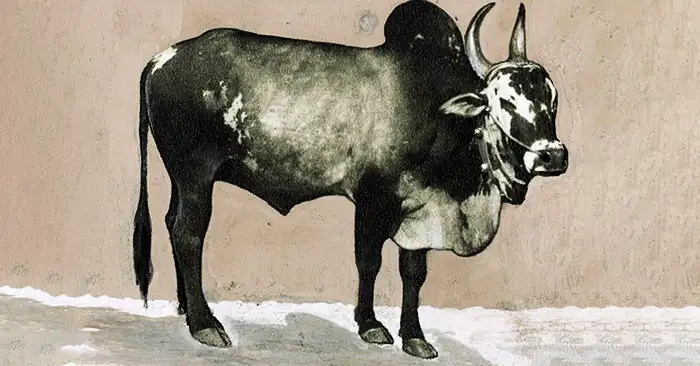
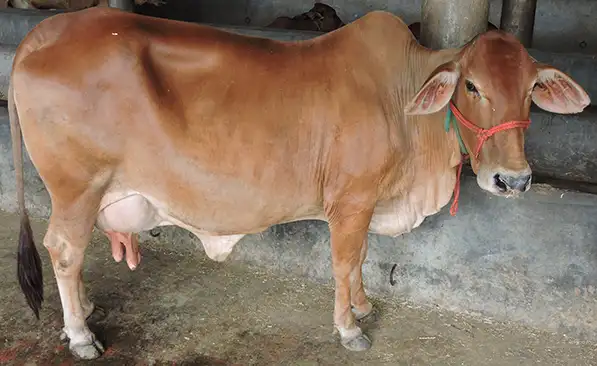
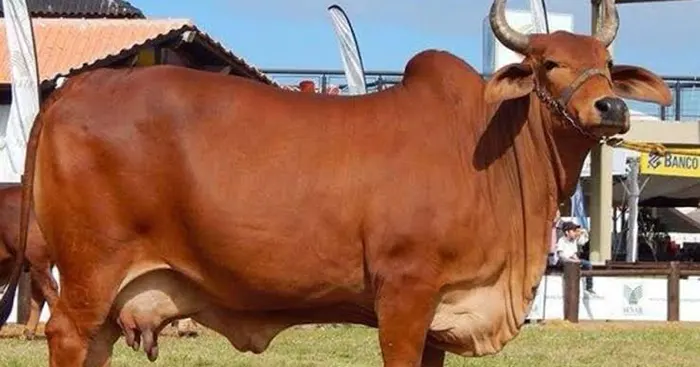
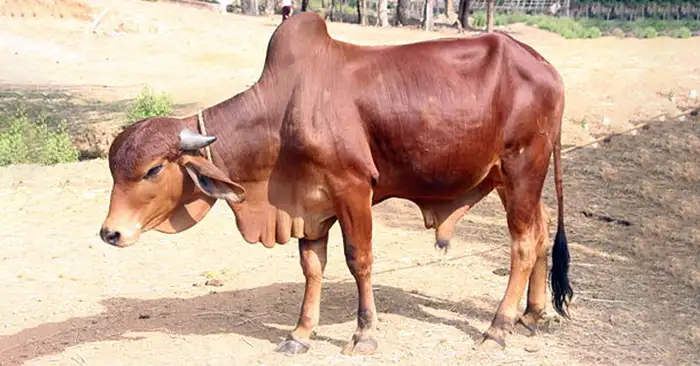
Amritmahal cows are medium to large in size with a compact and muscular build. They possess a distinctive grey or white coat, sometimes with black or dark grey shading on the neck and shoulders. Their horns are prominent, curving upwards and slightly inwards, giving them a distinctive and majestic appearance. These cows have a straight back, strong legs, and a well-developed udder, indicative of their dual-purpose utility for both draught work and milk production.
Behavior and Temperament
Amritmahal cows are known for their docile and calm temperament. They are intelligent animals, easy to train, and have a strong bond with their handlers. Their gentle nature makes them manageable even in large herds. Despite their calm demeanor, they are also known for their alertness and resilience, which contribute to their suitability for various types of agricultural work.
Habitat and Climate Adaptability
This breed is exceptionally adaptable to the harsh climatic conditions of Karnataka. They thrive in both hot and semi-arid environments, making them well-suited for the region’s diverse climatic conditions. Amritmahal cows can withstand extreme heat and have a high tolerance for drought, which has historically made them invaluable in areas with fluctuating water availability.
Diet and Nutrition
Amritmahal cows primarily graze on natural pastures, which consist of a variety of grasses and herbs. Their diet is supplemented with crop residues and locally available fodder, ensuring a balanced intake of nutrients. During the dry season, when natural forage is scarce, they are often provided with additional feeds such as hay, silage, and mineral supplements to maintain their health and productivity.
Health and Lifespan
The Amritmahal breed is renowned for its hardiness and resistance to common cattle diseases. They have a robust immune system and rarely succumb to illnesses that commonly affect other breeds. With proper care, nutrition, and management, Amritmahal cows can live up to 15-20 years. Regular veterinary check-ups and vaccinations are essential to maintain their health and longevity.
Productivity
Amritmahal cows are dual-purpose animals, valued for both their milk and draught capabilities. While their milk yield is moderate, the milk is rich in nutrients and highly prized for its quality. On average, an Amritmahal cow can produce 2-3 liters of milk per day. Their primary strength, however, lies in their draught power. They are capable of performing heavy farm work, such as plowing fields and transporting goods, with exceptional endurance and efficiency.
Breeding and Calving
Breeding Amritmahal cows is a systematic process, often managed by experienced cattle breeders. The breed exhibits good fertility rates, and calving is usually smooth with minimal complications. Heifers typically reach maturity at around 2.5 to 3 years of age. Proper management during the gestation period, including adequate nutrition and regular health check-ups, ensures the birth of healthy calves.
Care and Management
Effective care and management of Amritmahal cows involve regular feeding, clean water supply, and adequate shelter to protect them from extreme weather conditions. Providing spacious and clean living conditions is essential to prevent diseases. Routine health check-ups, vaccinations, and parasite control are crucial aspects of their management. Additionally, regular grooming helps in maintaining their coat and overall hygiene.
Significance and Uses
The Amritmahal cow holds immense cultural and economic significance in Karnataka. Historically, they were used by the military for their endurance and strength. Today, they continue to be valuable assets in agricultural operations. Their milk, though produced in moderate quantities, is of high quality and fetches a good market price. Moreover, their draught capabilities make them indispensable for farming communities.
Conservation Status
Despite their historical importance and utility, Amritmahal cows are facing a decline in population due to the increasing mechanization of agriculture and crossbreeding with exotic breeds. Conservation efforts are underway to preserve this indigenous breed. Various governmental and non-governmental organizations are working towards promoting the breeding and maintenance of pure Amritmahal cows to ensure their survival for future generations.