

Physical Characteristics
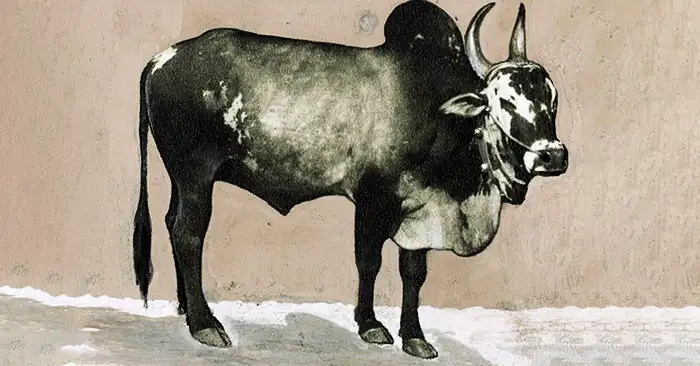
The Alambadi cow is known for its distinctive appearance, characterized by a compact and sturdy frame. These cows typically have a medium-sized head with alert eyes and short, curved horns. Their coat is predominantly black, with occasional white markings on the forehead and limbs. The robust build of the Alambadi makes it well-suited for traversing rugged terrains and enduring harsh climatic conditions.
Behavior and Temperament
Renowned for their docile nature, Alambadi cows exhibit gentle and amiable behavior, making them easy to handle and manage. They possess a strong maternal instinct, displaying exceptional care towards their calves. Their calm demeanor makes them ideal for small-scale farming operations, where close interaction with humans is common.
Habitat and Climate Adaptability
Adapted to the tropical climate of Tamil Nadu, the Alambadi breed thrives in diverse habitats ranging from arid plains to semi-forested regions. Their remarkable ability to withstand high temperatures and sparse vegetation makes them indispensable assets for farmers in these regions. Moreover, their efficient utilization of local forage resources minimizes the need for supplementary feeding, reducing the cost of maintenance.
Diet and Nutrition
Alambadi cows are primarily grazers, feeding on a diet consisting of grass, leaves, and agricultural by-products. Their digestive system is well-adapted to process fibrous vegetation, enabling them to extract maximum nutrition from low-quality fodder. However, supplementing their diet with mineral supplements ensures optimal health and productivity, especially during periods of lactation.
Health and Lifespan
With proper care and management, Alambadi cows are known to exhibit robust health and longevity. Routine vaccinations and deworming help prevent common ailments, ensuring a high level of disease resistance. On average, these cows have a lifespan of 15-20 years, providing farmers with years of faithful service and productivity.
Productivity
While not known for their high milk yield compared to exotic dairy breeds, Alambadi cows play a vital role in sustainable farming systems. They possess excellent fertility and reproductive efficiency, often calving regularly without requiring extensive interventions. Additionally, their ability to thrive on marginal lands contributes to the economic viability of smallholder farming operations.
Breeding and Calving
Breeding practices for Alambadi cows typically involve natural mating, although artificial insemination may also be employed to improve genetic traits. Calving intervals are generally around 12-14 months, with minimal complications observed during the birthing process. Selective breeding programs aimed at preserving the breed’s unique traits are essential for its long-term conservation.
Care and Management
Proper care and management are essential for maintaining the health and productivity of Alambadi cows. Adequate shelter, clean water, and regular veterinary care are paramount to their well-being. Furthermore, rotational grazing and pasture management strategies help optimize forage utilization while preventing overgrazing.
Significance and Uses
The significance of the Alambadi breed extends beyond its role as a source of milk and draft power. These cows hold cultural and religious significance in Tamil Nadu, often featured in local festivals and rituals. Moreover, their dung serves as valuable organic fertilizer, enriching the soil and promoting sustainable agricultural practices.
Conservation Status
Despite their inherent resilience, the Alambadi breed faces threats from indiscriminate crossbreeding and habitat loss. Recognizing the importance of preserving indigenous cattle breeds, concerted efforts are underway to promote their conservation through genetic improvement programs and community-led initiatives. By safeguarding the genetic diversity of breeds like Alambadi, we ensure the resilience of our agricultural systems for future generations.
In conclusion, the Alambadi cow stands as a symbol of resilience, adaptability, and cultural heritage in the agricultural landscape of Tamil Nadu. Through sustainable management practices and conservation efforts, we can ensure the continued prosperity of this invaluable breed for generations to come