

The British Longhair cat is a stunning and affectionate breed, beloved for its plush coat and friendly personality. These cats are a long-haired version of the British Shorthair, blending their sturdy build and round features with a luxurious, flowing coat. If you’re thinking about adding a British Longhair to your family, this guide will give you all the essential information to understand and care for this delightful breed.
Physical Characteristics
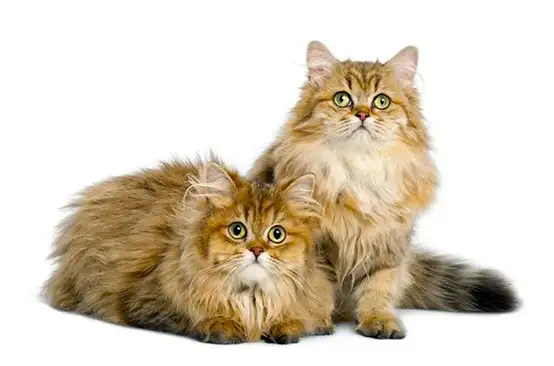
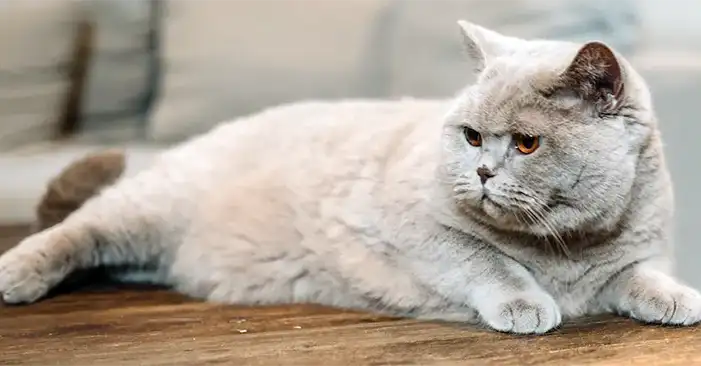
British Longhairs are medium to large cats with a strong, muscular build. They have round faces with full cheeks, large round eyes, and short, broad noses. Their most distinctive feature is their dense, soft coat, which is long and comes in various colors and patterns, from solid blues to tabby and bi-color. The eyes of British Longhairs can be blue, green, or copper, depending on their coat color. Their plush tail and tufted ears add to their overall majestic look.
Personality and Temperament
British Longhair cats are known for their calm and easy-going nature. They are affectionate without being overly demanding, making them perfect companions for people who want a loving pet that doesn’t require constant attention. These cats enjoy being around their human families and are generally good with children and other pets. They have a quiet demeanor and communicate with soft meows and purrs, making them an unobtrusive addition to any household.
Health and Lifespan
With proper care, British Longhairs can enjoy a lifespan of 12-15 years or even longer. They are generally healthy, but like all breeds, they can be prone to certain genetic conditions. Some common health issues include polycystic kidney disease (PKD) and hypertrophic cardiomyopathy (HCM). Regular veterinary check-ups, a balanced diet, and maintaining a healthy weight are crucial to keeping your British Longhair in good health. Regular health screenings can help detect any potential problems early on.
Care and Maintenance
Taking care of a British Longhair involves regular grooming to maintain their beautiful coat. Their long fur needs to be brushed several times a week to prevent tangles and matting. During shedding seasons, more frequent brushing may be necessary. In addition to grooming, regular ear cleaning, nail trimming, and dental care are important to keep your cat healthy. Providing a nutritious diet and fresh water is essential for their overall well-being.
Suitable Home Environment
British Longhairs adapt well to various living environments, whether it’s a spacious house or a cozy apartment. They enjoy a peaceful and stable home where they can relax and feel secure. These cats appreciate a mix of playtime and relaxation, so providing toys and comfortable resting spots is important. They get along well with children and other pets if properly introduced and treated gently. A loving and respectful home is ideal for these gentle felines.
Conclusion
The British Longhair cat is a wonderful addition to any family, offering both beauty and a loving personality. Their calm and affectionate nature, combined with their stunning appearance, makes them a popular choice among cat enthusiasts. With the right care and attention, a British Longhair can bring years of joy and companionship to your home. If you’re ready to welcome one into your life, you’ll find them to be a delightful and loyal companion.