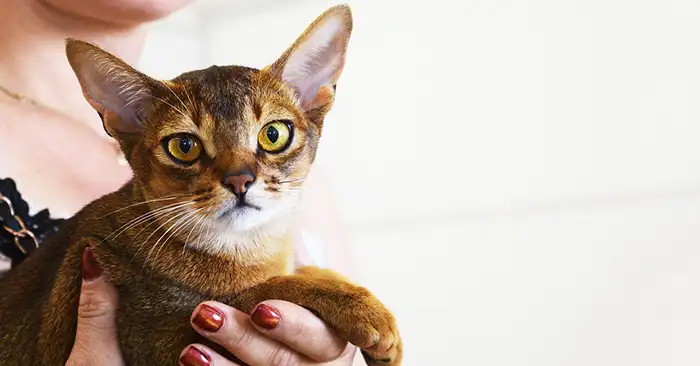


The Bengal cat is a strikingly beautiful breed known for its wild appearance and playful demeanor. Originating from the crossbreeding of domestic cats with the Asian Leopard Cat, Bengals exhibit unique physical characteristics and captivating personalities that set them apart from other feline companions.
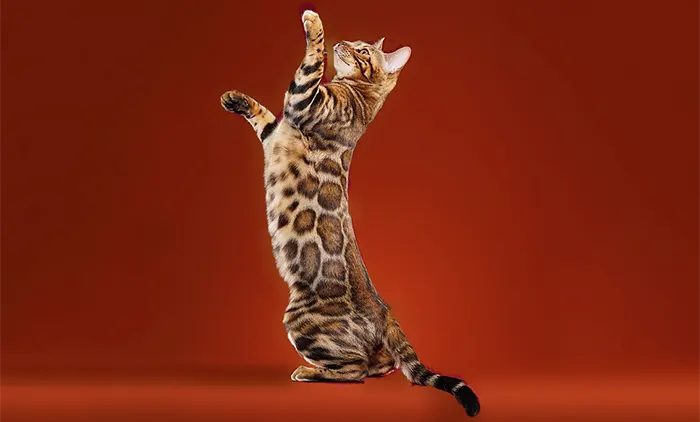
The Bengal breed traces its roots back to the 1960s when Jean Mill, a California-based breeder, embarked on a journey to create a domestic cat with the distinctive markings of a wild leopard. Through careful selection and breeding programs, Bengals were developed, resulting in a breed that combines the elegance of a domestic cat with the exotic allure of its wild ancestors.
Physical Characteristics
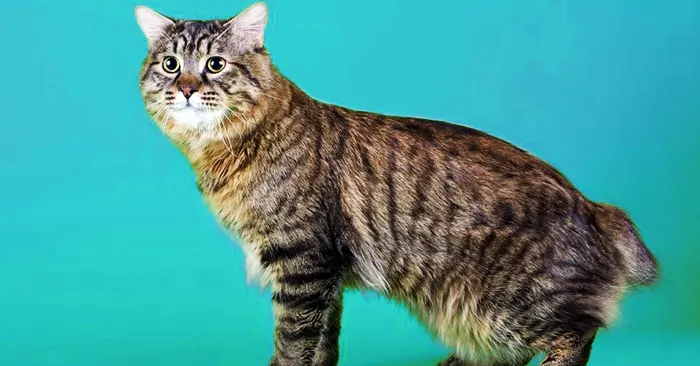
Bengals are medium to large-sized cats with muscular bodies and athletic builds. They boast a sleek and glossy coat adorned with distinctive markings reminiscent of their wild heritage. The most common coat colors include brown, silver, and snow, with various patterns such as spots, rosettes, and marbling adding to their allure. Their striking appearance is further accentuated by their large, almond-shaped eyes that come in shades of green, gold, or blue.
Personality and Temperament
Bengals are known for their energetic and playful nature, often exhibiting a high level of curiosity and intelligence. They enjoy interactive play sessions and thrive on mental stimulation, making them excellent companions for households with active lifestyles. Bengals are also highly affectionate cats that form strong bonds with their human family members, often seeking out attention and companionship.
Health and Lifespan
While Bengals are generally healthy cats, they may be predisposed to certain genetic conditions such as hypertrophic cardiomyopathy (a heart condition) and progressive retinal atrophy (a degenerative eye disease). Responsible breeders conduct health screenings to minimize the risk of hereditary health problems in their breeding lines.
With proper care and nutrition, Bengals can live anywhere from 12 to 16 years or more, making them long-term companions for their devoted owners.
Care and Maintenance
Bengals have short coats that require minimal grooming compared to long-haired breeds. Regular brushing helps to remove loose hair and reduce shedding, keeping their coat healthy and glossy. Additionally, routine nail trimming and dental care are important aspects of Bengal cat grooming.
Due to their active nature, Bengals benefit from regular exercise and playtime to help them burn off excess energy and prevent boredom. Providing interactive toys, climbing structures, and opportunities for supervised outdoor exploration can help fulfill their exercise needs. In terms of diet, a balanced and nutritious cat food that meets their specific dietary requirements is essential for maintaining their health and vitality.
Suitable Home Environment
Bengals thrive in environments that offer plenty of space for exploration and play. While they can adapt well to apartment living, they appreciate access to outdoor areas where they can indulge their natural instincts for hunting and climbing. Families with children and other pets can also provide enriching social interactions for Bengals, as long as introductions are conducted gradually and supervised.
Conclusion
In conclusion, the Bengal cat breed offers a captivating blend of exotic beauty, playful personality, and affectionate companionship that appeals to cat lovers around the world. With their unique physical characteristics and engaging demeanor, Bengals bring joy and excitement to any household fortunate enough to welcome them into their lives. If you’re considering adding a Bengal to your family, be prepared for a lifetime of love, laughter, and unforgettable memories with these remarkable feline companions.